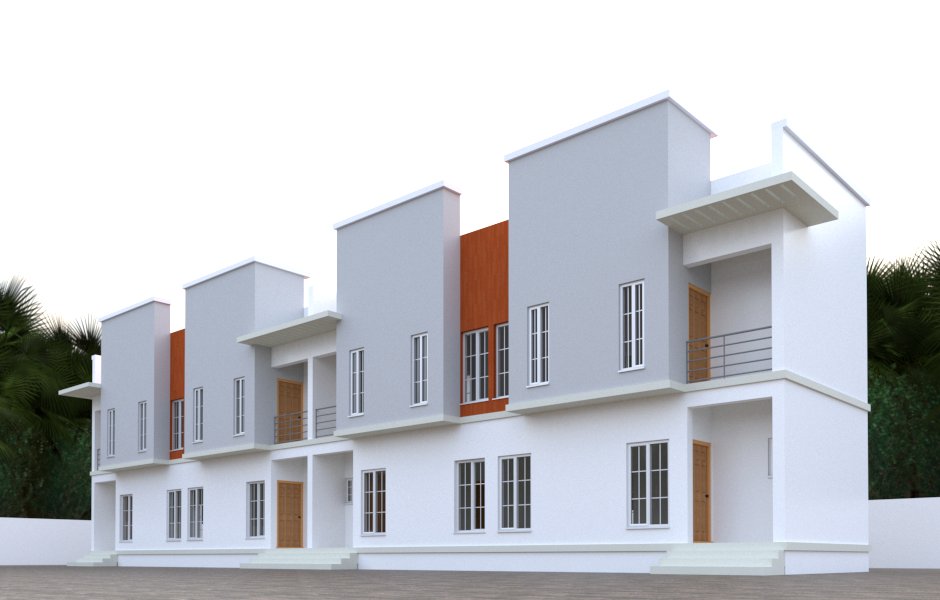
These homes incorporate features like solar panels, energy-efficient appliances, sustainable building materials, and smart home systems to reduce energy consumption and waste.
Why Sustainable Real Estate is the Future of Homebuying
In recent years, the real estate industry has undergone a significant transformation, with sustainability emerging as a key driver of innovation and demand. As climate change concerns grow and buyers prioritize eco-conscious living, sustainable real estate is no longer a niche trend but a defining feature of the future of homebuying. From energy-efficient homes to green building materials, sustainable properties offer environmental, economic, and lifestyle benefits that are reshaping the housing market. Let’s explore why sustainable real estate is gaining traction and why it’s a smart choice for today’s homebuyers.
What is Sustainable Real Estate?
Sustainable real estate refers to properties designed, built, and operated with a focus on minimizing environmental impact while maximizing efficiency and livability. These homes incorporate features like solar panels, energy-efficient appliances, sustainable building materials, and smart home systems to reduce energy consumption and waste. Beyond environmental benefits, sustainable real estate also prioritizes occupant health, comfort, and long-term cost savings.
The Rise of Eco-Conscious Homebuyers
Today’s homebuyers, particularly younger generations like Millennials and Gen Z, are increasingly environmentally conscious. A 2023 survey by the National Association of Realtors found that 68% of homebuyers consider energy efficiency a top priority when purchasing a home. This shift is driven by a growing awareness of climate change, rising energy costs, and a desire for healthier living spaces. Sustainable real estate meets these demands by offering homes that align with buyers’ values and practical needs.
Key Features of Sustainable Homes
Energy Efficiency: Homes equipped with LED lighting, high-performance insulation, and Energy Star-rated appliances reduce energy consumption, lowering utility bills.
Renewable Energy: Solar panels and geothermal systems allow homeowners to generate clean energy, reducing reliance on fossil fuels.
Sustainable Materials: Builders are using eco-friendly materials like bamboo flooring, recycled steel, and low-VOC (volatile organic compound) paints to create healthier indoor environments.
Water Conservation: Features like rainwater harvesting systems, low-flow fixtures, and drought-resistant landscaping minimize water waste.
Smart Home Technology: Automated systems for lighting, heating, and cooling optimize energy use, making homes more efficient and convenient.
The Benefits of Sustainable Real Estate
1. Environmental Impact
Sustainable homes significantly reduce carbon footprints. For example, a home with solar panels can cut greenhouse gas emissions by up to 80% compared to a traditional home. By choosing sustainable properties, buyers contribute to global efforts to combat climate change and preserve natural resources.
2. Cost Savings
While sustainable homes may have a higher upfront cost due to advanced materials or technologies, the long-term savings are substantial. Energy-efficient homes can reduce utility bills by 20-50%, and many governments offer tax incentives, rebates, or grants for eco-friendly upgrades like solar installations. Over time, these savings often offset the initial investment.
3. Healthier Living Spaces
Sustainable homes prioritize indoor air quality and occupant well-being. Low-VOC materials reduce harmful chemical emissions, while improved ventilation systems ensure cleaner air. Natural lighting and green spaces, often integrated into sustainable designs, also enhance mental and physical health.
4. Increased Property Value
As demand for green homes grows, sustainable properties tend to appreciate faster than traditional homes. A 2024 report by Zillow noted that homes with energy-efficient features sell for 5-10% more than comparable non-green homes. For investors and homeowners, this makes sustainable real estate a financially savvy choice.
5. Future-Proofing
With governments worldwide implementing stricter environmental regulations, sustainable homes are better equipped to meet future standards. For instance, many countries are phasing out gas-powered heating systems, making homes with electric or renewable energy systems more resilient to policy changes.
Examples of Sustainable Real Estate in Action
Across the globe, developers are embracing sustainable real estate with innovative projects:
Net-Zero Homes: These homes produce as much energy as they consume, often through a combination of solar power, advanced insulation, and energy-efficient systems. In California, all new homes must be net-zero by 2030, setting a precedent for other regions.
Eco-Friendly Communities: Developments like Serenbe in Georgia, USA, integrate sustainable homes with green spaces, local farming, and walkable designs to create low-impact, community-focused living.
Retrofitted Properties: Older homes are being retrofitted with modern sustainable features, such as solar panels and smart thermostats, to meet contemporary standards without the need for new construction.
Challenges and Opportunities
While sustainable real estate is the future, it’s not without challenges. Higher upfront costs can deter some buyers, and the availability of green materials or skilled contractors may be limited in certain areas. However, these hurdles are being addressed through government incentives, advancements in affordable green technology, and growing consumer demand.
For real estate professionals, the rise of sustainability presents exciting opportunities. Developers who prioritize green building practices can attract eco-conscious buyers, while realtors with knowledge of sustainable features can better serve their clients. Educating buyers about the long-term benefits of green homes is key to driving adoption.
Tips for Homebuyers Interested in Sustainable Real Estate
Research Green Certifications: Look for homes certified by programs like LEED (Leadership in Energy and Environmental Design) or ENERGY STAR to ensure high sustainability standards.
Ask About Energy Features: Inquire about insulation, HVAC systems, and renewable energy sources to understand a home’s efficiency.
Consider Location: Homes in walkable neighborhoods or near public transit reduce reliance on cars, enhancing sustainability.
Explore Incentives: Check for local or national programs offering tax credits or rebates for energy-efficient upgrades.
Work with Experts: Partner with realtors or builders experienced in sustainable real estate to find properties that align with your goals.
Conclusion
Sustainable real estate is more than a trend—it’s a movement that’s reshaping the way we live, build, and buy homes. By prioritizing energy efficiency, eco-friendly materials, and innovative design, sustainable properties offer a win-win for the environment, homeowners, and communities. As the world moves toward a greener future, investing in sustainable real estate is not just a smart financial decision but a meaningful step toward a healthier planet. Whether you’re a first-time buyer or a seasoned investor, now is the time to explore the possibilities of sustainable homebuying and be part of the future of real estate.